August 17, 2026
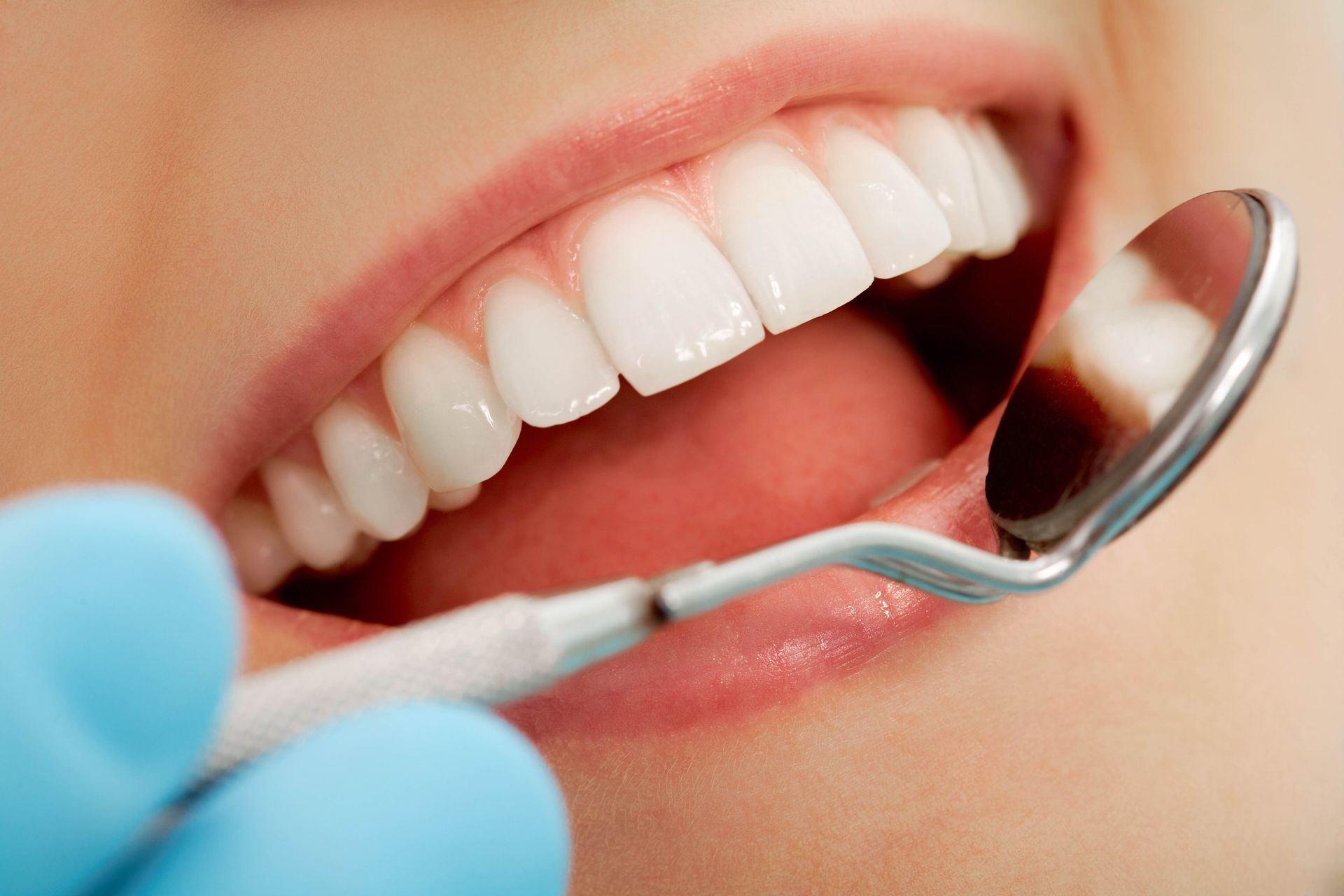
A bright, confident smile can have a major impact on how people feel about their appearance and overall self-esteem. For patients looking to improve the look of their teeth, cosmetic treatments such as veneers and professional whitening can provide noticeable results. However, choosing the right treatment requires understanding the differences between available options, considering long-term expectations, and working with a qualified cosmetic dentist who can recommend an approach that fits individual needs.
Veneers and whitening address different concerns, meaning one option may be more suitable depending on the condition of the teeth and the patient’s desired outcome. While whitening can improve the color of natural teeth, veneers can change the shape, size, and appearance of teeth that have more noticeable imperfections. Before beginning treatment, patients should learn how each procedure works and discuss their goals with a dental professional.
What Are The Differences Between Veneers And Whitening?
Veneers and teeth whitening are both popular cosmetic dental treatments, but they serve different purposes. Whitening focuses primarily on removing stains and brightening natural tooth enamel. Professional whitening treatments use specialized bleaching agents to reduce discoloration caused by foods, beverages, smoking, aging, and other factors. This option is often ideal for patients who are generally satisfied with the shape and alignment of their teeth but want a brighter smile.
Veneers provide a more comprehensive cosmetic change. These thin shells, typically made from porcelain or composite materials, are placed over the front surfaces of teeth to improve their appearance. A cosmetic dentist may recommend veneers for patients with chipped teeth, uneven spacing, worn enamel, discoloration that does not respond well to whitening, or teeth with irregular shapes.
The biggest difference between the two treatments is that whitening changes the shade of natural teeth, while veneers can alter multiple aspects of a smile. Whitening is usually less invasive and can often be completed more quickly, while veneers require careful planning and preparation to achieve natural-looking results.
Patients should also consider that whitening cannot change the structure of teeth. If a patient wants to correct issues such as small gaps, uneven edges, or permanent stains, veneers may provide a better solution. A consultation with a cosmetic dentist can help determine which option aligns with a patient’s expectations and dental health.
How To Choose The Right Cosmetic Dentist?
Selecting the right provider is one of the most important steps in achieving successful cosmetic dental results. Patients should look for a cosmetic dentist with experience performing procedures similar to the treatment they are considering. Reviewing before-and-after photos, learning about available techniques, and discussing previous patient outcomes can help provide insight into the provider’s approach.
Communication is also an important factor. A good consultation should allow patients to explain their concerns, ask questions, and understand what results are realistically possible. Every smile is different, and a treatment plan should be designed around the patient’s existing tooth structure, oral health, and aesthetic preferences.
Patients should also ask about the materials and technology used during treatment. For example, high-quality porcelain veneers can provide a natural appearance because they reflect light similarly to natural enamel. Understanding the process, timeline, maintenance requirements, and costs involved can help patients make informed decisions.
Another important consideration is whether the dentist prioritizes preserving natural tooth structure. According to academic data published in the Journal of Prosthetic Dentistry, veneer failure is heavily dependent on the bonding surface, and veneers bonded to natural tooth enamel have a 99% success rate. Maintaining as much healthy enamel as possible during preparation can contribute to better long-term outcomes.
A qualified cosmetic dentist will evaluate each patient individually and explain whether veneers, whitening, or another treatment option is the most appropriate choice. Patients should feel comfortable asking questions before moving forward with any cosmetic procedure.
What To Expect During A Veneer Procedure?
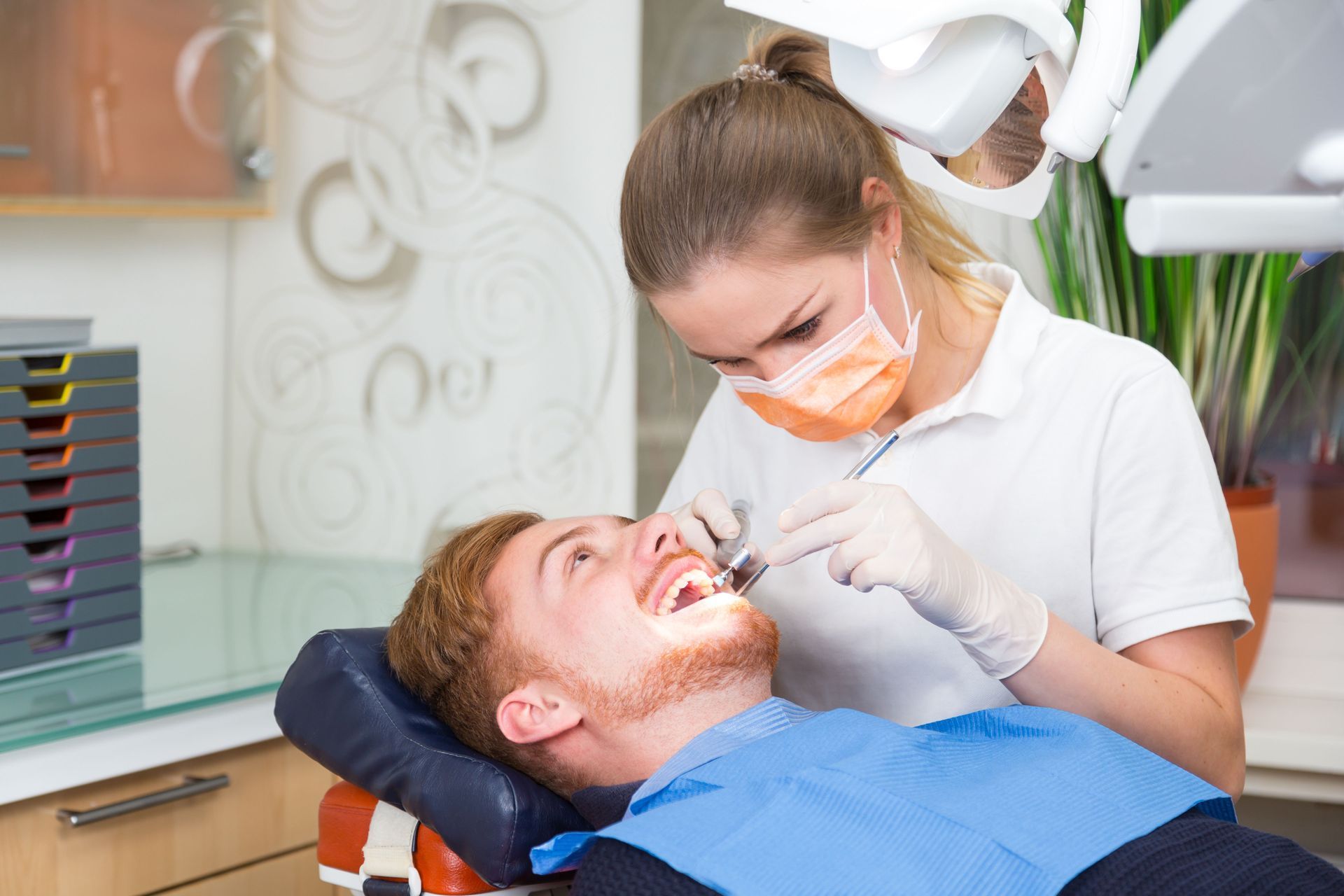
The veneer process typically begins with a consultation where the dentist evaluates the patient’s teeth, discusses their goals, and creates a personalized treatment plan. This appointment may include digital imaging, photographs, and discussions about the desired shape and shade of the final smile.
Before placing veneers, the dentist may need to prepare the teeth by removing a small amount of enamel from the front surface. This allows the veneers to fit properly and creates a stronger bond between the tooth and the restoration. Preserving natural enamel whenever possible is an important part of creating durable results.
After preparation, impressions or digital scans are taken so custom veneers can be created. Temporary veneers may be placed while the final restorations are being made. Once the permanent veneers are ready, the dentist will check their fit, appearance, and color before bonding them securely to the teeth.
Patients may experience mild sensitivity after the procedure, especially if some enamel was removed during preparation. This sensitivity is usually temporary and can often be managed with guidance from the dental provider.
The final result is designed to create a more balanced and attractive smile while maintaining a natural appearance. A cosmetic dentist will typically focus on factors such as tooth proportions, facial features, and the patient’s overall smile when designing veneers.
Are There Risks Involved With Teeth Whitening?
Professional teeth whitening is considered a safe cosmetic procedure when performed correctly, but patients should understand potential side effects. The most common concern is temporary tooth sensitivity. Whitening agents can penetrate the enamel and irritate the nerves inside teeth, causing discomfort for some patients.
Gum irritation is another possible side effect, especially if whitening products come into contact with soft tissues. Professional treatments are designed to reduce these risks by using controlled application methods and products suited to the patient’s needs.
Patients should also understand that whitening results are not permanent. Teeth can become stained again over time due to coffee, tea, wine, tobacco use, and other habits. Maintaining good oral hygiene and limiting staining foods and drinks can help extend the results.
Not everyone is an ideal candidate for whitening. Patients with cavities, gum disease, worn enamel, or certain types of discoloration may need to address those issues before pursuing cosmetic treatment. A cosmetic dentist can evaluate oral health and recommend the safest approach.
How Long Do Veneers And Whitening Results Last?
The longevity of cosmetic dental treatments depends on several factors, including oral hygiene habits, lifestyle choices, and the quality of the procedure. Porcelain veneers can often last many years when properly maintained. Patients can help protect their investment by brushing regularly, flossing daily, and attending routine dental appointments.
Although veneers are durable, they are not indestructible. Biting hard objects, using teeth as tools, or grinding the teeth can increase the risk of damage. Patients who grind their teeth may benefit from wearing a protective night guard recommended by their dentist.
Whitening results typically last anywhere from several months to a few years, depending on individual habits. Patients who regularly consume staining foods or drinks may notice discoloration sooner. Periodic touch-up treatments can help maintain brightness.
Veneers and teeth whitening can both improve the appearance of a smile, but they address different cosmetic concerns. Whitening is a good option for patients who want a brighter smile, while veneers may be better suited for those looking to change the shape, color, or appearance of their teeth more significantly.
Understanding the differences between treatments, choosing an experienced
cosmetic dentist, and having realistic expectations are important steps in achieving successful results. Patients should take time to discuss their goals, ask questions, and learn about the benefits and limitations of each option.
With the right approach and proper care, cosmetic dental treatments can provide long-lasting improvements that help patients feel more confident in their smiles. If you're looking for a compassionate dentist, reach out to the team at Great Blue Dental today!